How to Judge the True Quality of an Electric Motor
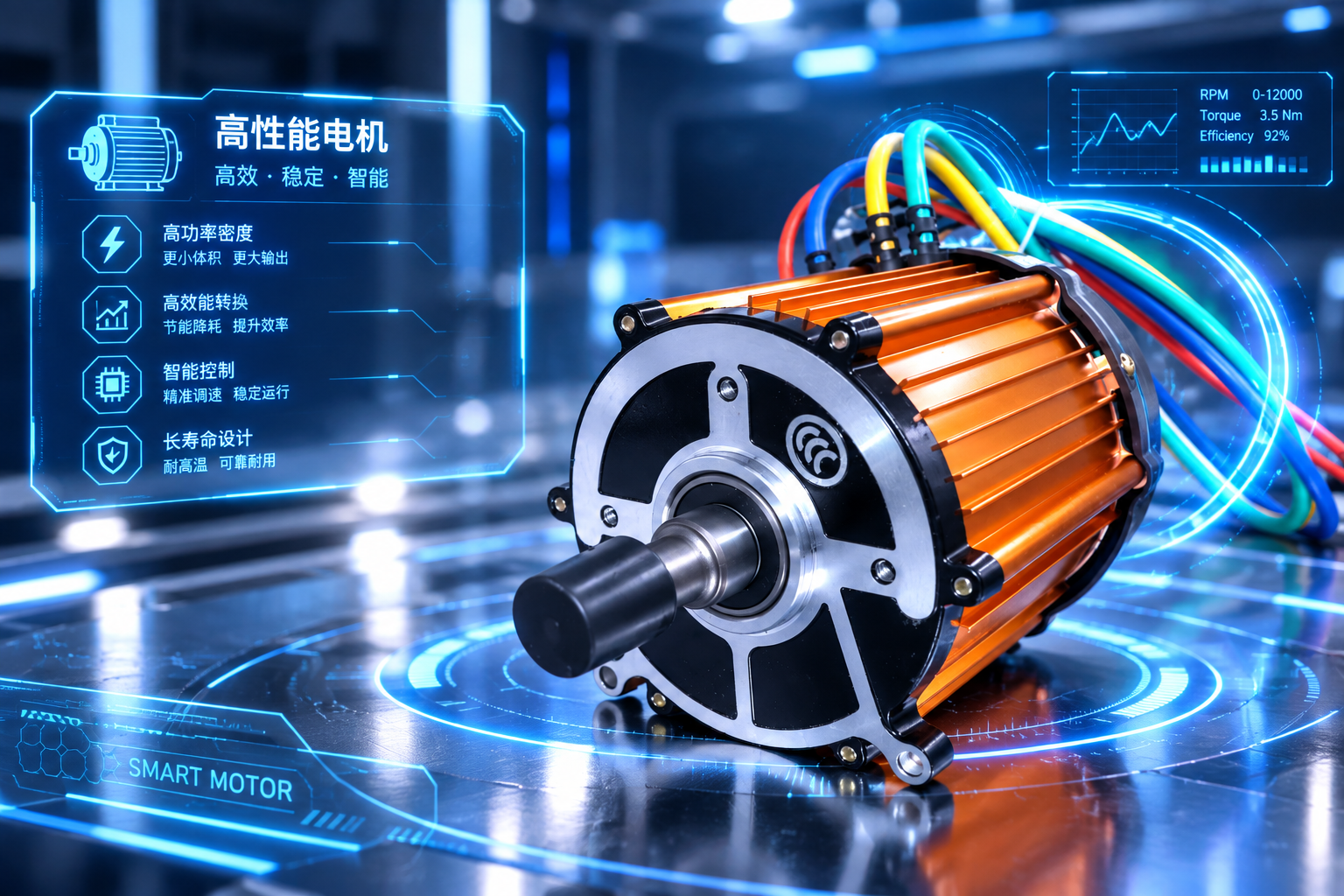
So, you're in the market for an electric motor. Whether it's for a custom e-bike build, a robotics project, or a small-scale manufacturing line, you know the motor is the heart of your machine. But as you browse through options, you realize a problem: on paper, many motors look the same. They promise high power, great efficiency, and long-lasting durability.
But how can you be sure you're getting a high-quality unit and not a cheap knock-off that will burn out under pressure?
The truth is, the real quality of a motor isn't just on the sticker—it's inside. If you have the chance to inspect the motor's internals, or if you know the right technical questions to ask a supplier, you can spot the difference between a workhorse and a dud. Here are four critical things to look for.
1. The Windings: Insist on Pure Copper
The windings are the coils of wire inside the stator that create the electromagnetic fields to spin the motor. The material used here is non-negotiable for a quality motor.
**What you want:** 100% pure copper. Copper has excellent electrical conductivity and heat resistance. It efficiently turns electrical energy into magnetic force with minimal loss, and it can handle high temperatures without degrading.
**What to avoid:** Aluminum or Copper-Clad Aluminum (CCA). To cut costs, some manufacturers use aluminum wire, which has about 60% of the conductivity of copper. This means it has higher resistance, gets hotter, is less efficient, and is more brittle. CCA is even more deceptive—it's an aluminum wire with a thin coating of copper to make it look legitimate.
**How to check:** A visual inspection can often reveal the rich, reddish-gold hue of pure copper. If you're suspicious, you can (carefully) scrape the surface of a wire. If a silvery-white aluminum core is revealed, you're looking at CCA. A quality motor will proudly state it uses pure copper windings.
2. The Magnets: Material and Height Matter
The permanent magnets (usually in the rotor of a hub motor) are crucial for generating power and torque. Their quality is determined by two main factors:
**Material (Grade):** The magnet's material grade determines its magnetic strength and, more importantly, its resistance to heat. Low-quality magnets will lose their magnetism (a process called demagnetization) when they get too hot. This damage is permanent and results in a significant loss of power. High-quality motors use high-temperature grade Neodymium magnets (e.g., "SH" or "UH" grades) that maintain their strength even under heavy load. Ask the supplier for the magnet grade.
**Height:** The height of the magnets directly correlates to the motor's power. Taller magnets create a larger and stronger magnetic field, which interacts more forcefully with the stator windings. This translates into higher torque and greater overall power output. When comparing two motors of a similar diameter, the one with taller magnets will almost always be the more powerful of the two.
3. The Stator Diameter: The Key to Torque
In the world of motors, size matters. Specifically, the diameter of the stator (the stationary part with the copper windings) is a primary determinant of the motor's torque.
Think of it like using a wrench. A longer wrench gives you more leverage (torque) to turn a stubborn bolt. Similarly, a wider stator diameter places the magnets and windings further from the center axis of rotation. This longer "lever arm" allows the motor to produce more torque for the same amount of magnetic force.
If you need a motor for climbing steep hills, accelerating quickly from a stop, or carrying heavy loads, a wider stator diameter is essential.
4. The Slot Fill Factor: How Tightly is it Packed?
The "slots" are the grooves in the stator where the copper wire is wound. The slot fill factor is the percentage of the slot's cross-sectional area that is actually filled with copper.
**Why it's important:** A higher slot fill factor means more copper is packed into the same amount of space. More copper creates a stronger electromagnetic field, which results in higher torque.
**Durability under load:** This is a key indicator of a motor's robustness. A motor with a high, tight slot fill is much less likely to burn out under heavy load. The dense packing of copper helps to distribute heat more evenly, preventing "hot spots" that can melt the wire's insulation and cause a short. In contrast, a loosely wound motor with a low fill factor will overheat quickly and fail.
**How to check:** Visually, a motor with a high slot fill factor will look incredibly neat and dense, with no gaps or messy wires. It's a clear sign of superior manufacturing and a commitment to performance.
Conclusion
When choosing an electric motor, don't be fooled by a flashy exterior or an optimistic spec sheet. True quality is built from the inside out. By focusing on these four key areas—pure copper windings, high-grade and tall magnets, a wide stator diameter, and a high slot fill factor—you can confidently identify a motor that is powerful, efficient, and built to last.
Need Help Choosing the Right Configuration?
Every market has unique requirements. Contact us for a free consultation tailored to your country's conditions.
Get in Touch